Duramax EGR & Cooling Guide: Coolers, Radiators & Fixes
Diagnose and fix Duramax cooling and EGR failures — what fails on the LB7 through L5P, the codes that point to an EGR cooler, how to tell coolant loss from a head gasket, and what to compare when you buy a replacement cooler, radiator, water pump, or thermostat.
Parts Covered in This Guide
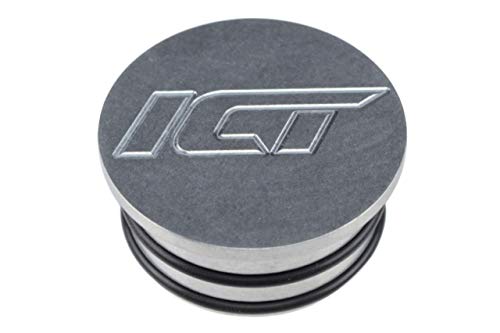
Restoring boost or chasing more power

Owners chasing flow and diesel tone
| # | Product | Owner Reviews | Availability | Best For | |
|---|---|---|---|---|---|
| 1 | 406 | $23.00 In Stock at Amazon | Restoring boost or chasing more power | ||
| 2 | 60 | $18.75 In Stock at Amazon | Owners chasing flow and diesel tone |
Overheating and coolant loss are among the Duramax’s most common — and most fixable — reliability complaints. They’re also the two symptoms most often misdiagnosed as a blown head gasket. This guide works the cooling and EGR system end to end: what fails on each generation, which codes mean what, how to prove where the coolant is going, and what to compare when you buy the replacement. New parts run through Amazon Automotive; used, take-off and OEM cooling parts are eBay Motors territory, where listing prices are shown live.
What Your Truck Has: EGR & Cooling Hardware by Generation
EGR appears in some form across the whole 6.6L family, but the soot load — and therefore the failure rate — steps up sharply once the diesel particulate filter arrives. Where your truck sits on this list decides how hard the system works:
| Engine | Years | Emissions era | What drives cooling failures here |
|---|---|---|---|
| LB7 | 2001–2004 | Pre-DPF | Light soot load. Failures here are conventional wear — radiator, water pump, thermostat — plus the injector issues the generation is known for. |
| LLY | 2004.5–2005 | Pre-DPF | The generation with the best-known tendency to run hot under load. Airflow restriction and cooling capacity matter more here than anywhere else in the family. |
| LBZ | 2006–2007 | Pre-DPF | The family favorite and the least troubled. Cooling parts are wear items, not design complaints. |
| LMM | 2007.5–2010 | DPF | First DPF generation. Regen cycles and soot loading start clogging the EGR valve and cooler in earnest. |
| LML | 2011–2016 | DPF + SCR/DEF | The heaviest EGR duty cycle in the family and the generation most associated with EGR cooler complaints. |
| LGH | 2011–2016 (vans/cab-chassis) | DPF + SCR/DEF | Same architecture as the LML in a different chassis — order parts by engine code, not by body. |
| L5P | 2017+ | DPF + SCR/DEF | Same soot-and-heat wear pattern with substantially more cooling capacity from the factory. |
Not sure which one you have? The Duramax generations & fitment guide breaks the family down by year, and the VIN & engine-code decoder reads it straight off the eighth digit of the VIN — worth 30 seconds before you order a cooler, because LMM, LML and L5P parts are not interchangeable.
Start With the Symptom, Not the Part
Most wasted money in this system comes from replacing the expensive thing first. Work the symptom:
| What you’re seeing | Most likely causes | How to confirm |
|---|---|---|
| Overheats towing, fine empty | Fan clutch, packed radiator core, tired water pump, restricted airflow | Watch coolant temp under sustained load; inspect the core face for bugs and debris; check that the fan locks up when hot |
| Slow, unexplained coolant loss, no visible puddle | Cracked EGR cooler, hairline crack in the surge tank, water pump weep hole | Cooling-system pressure test — hold pressure cold and watch where it goes |
| White smoke plus coolant loss | Coolant entering the exhaust stream — EGR cooler or head gasket | Block (combustion-gas) test at the surge tank; if it’s clean, suspect the cooler |
| Bubbles or pressure in the surge tank at idle | Combustion gas in the cooling system | Block test; see the head gasket & head stud guide |
| Never reaches operating temp, weak heat | Thermostat stuck open (often stores P0128) | Watch warm-up time; compare gauge behavior to a known-good truck |
| EGR-related codes, rough running, sooty idle | Clogged EGR valve or passages | Scan for P0401 / P0402 / P0404; inspect the valve for carbon |
| P2457 stored | EGR cooling system performance — the cooler itself | Pressure test with the cooler isolated where possible |
Those code definitions are the generic OBD-II ones, not GM-specific interpretations. They narrow the search; they don’t replace a pressure test.
Coolant Loss Is Not Automatically a Head Gasket
This is the single most valuable thing on the page. A cracked EGR cooler, a weeping water pump, a leaking oil cooler line, and a hairline crack in the plastic surge tank all lose coolant with perfectly healthy head gaskets — and a failed EGR cooler mimics the head gasket symptom set closely, because it too can put coolant into the exhaust stream and make white smoke.
Two tests separate them:
- Cooling-system pressure test. Pressurize cold and watch. Pressure that bleeds off with no external leak points inside the engine or into the exhaust.
- Block (combustion-gas) test at the surge tank. This detects exhaust gas in the coolant. A positive result means combustion pressure is getting into the water jacket — head gasket territory. A negative result with confirmed coolant loss points you back at the cooler and the conventional leak points.
Do both before you condemn a top end. If the block test comes back clean, work this system instead — the head gasket & head stud guide exists for when it doesn’t.
The EGR Cooler: What Actually Fails
The EGR cooler is a heat exchanger. Hot exhaust gas passes through a core surrounded by engine coolant, giving up heat before the gas re-enters the intake. Two things kill it:
- Soot loading. Exhaust-side passages pack with carbon, flow drops, and the gas leaving the cooler is hotter than the system expects. That shows up as EGR flow codes and rising temperatures long before anything cracks.
- Thermal cycling. Thousands of cycles between ambient and exhaust temperature work-harden the core. When it finally cracks internally, coolant crosses into the exhaust side — the classic “losing coolant, no leak on the ground, white smoke” pattern.
The soot half is aggravated by short trips, heavy idling, and interrupted regens; a truck that sees regular sustained highway load stays cleaner. That’s the same driving pattern that keeps turbo vanes from sticking, and it’s not a coincidence — both are carbon problems.
Choosing a Replacement Cooler: What to Compare
Listings for these parts vary enormously in what’s actually in the box, which is why two “EGR coolers” for the same truck can look nothing alike. Compare on four axes:
| Compare | What to look for | Why it matters |
|---|---|---|
| Scope of the kit | Cooler only, or cooler + gaskets + hardware + valve | Gaskets are single-use; a “cheap” cooler that arrives bare costs the difference back in a second parts order |
| Fitment by engine code | The exact code and year range — LMM, LML, LGH, L5P | These are not interchangeable across emissions eras. Order by engine code, never by model year alone |
| Core design | Straight OEM replacement vs. an upgraded core | Upgraded designs target the failure mode; OEM replacement is the known-good baseline and the emissions-intact choice |
| Warranty & source | New OEM, new aftermarket, or used take-off | A used cooler off a truck that failed for the reason yours is failing is a bad trade — buy used only when you can see the core |
Used, take-off and OEM-boxed stock is genuinely the eBay Motors half of this decision, and it’s where a running truck’s budget goes furthest on the ancillary parts. The rails on this page are split by generation for that reason — pick the one that matches the engine code you decoded above.
The Rest of the Cooling System
The EGR cooler gets the attention, but a Duramax that overheats towing is usually failing somewhere more ordinary:
- Radiator. A core packed with bugs, dust and road film sheds far less heat than a clean one, and this shows up first under a trailer. Inspect the face before you buy anything.
- Fan clutch. A clutch that no longer locks up hard is a classic “fine on the highway, hot on a grade” cause, because that’s exactly the condition where airflow depends on the fan rather than road speed.
- Water pump. A conventional wear item. The weep hole is the tell — any staining or drip means it’s on its way out. Replace it while the system is drained.
- Thermostat and cap. Cheap, quiet failures. A thermostat stuck open sets P0128 and hurts fuel economy and heater output; a cap that no longer holds system pressure lowers the coolant’s boiling point exactly when you need it highest.
- Surge tank. The plastic degas/overflow tank cracks with age and pressure cycles. It’s the leak everyone misses because it only weeps hot.
- Oil cooler and lines. A known seep point on higher-mileage trucks. It’s oil rather than coolant, but it’s the same job window and the same access.
- Coolant. These trucks run GM’s Dex-Cool extended-life (orange) coolant from the factory. Don’t mix coolant types, and flush properly rather than topping off — the soot and casting debris that killed the first cooler are still in the system otherwise. On older trucks, also confirm the SCA/DCA additive level after a flush; running short on it invites cylinder-liner cavitation, a separate failure mode from anything above. A coolant filtration kit catches what the flush misses.
Coolant intervals and the rest of the wear-parts calendar live in the maintenance schedule & parts checklist.
The LLY Case: Heat and Airflow
The LLY earned its reputation for running hot when worked hard, and the usual first move isn’t a cooling part at all — it’s airflow. The factory turbo inlet mouthpiece on the 2004.5–2010 trucks is a genuine restriction, and replacing or opening it up is one of the cheapest changes on the truck. The ICT Billet mouthpiece resonator plug listed above addresses that restriction directly on LLY, LBZ and LMM trucks.
Pair it with a healthy cold air intake and free-flowing exhaust, and the whole system runs cooler under load — less heat into the coolant means less work for every part above. The common Duramax problems by generation guide covers the LLY’s other known items, and LB7 vs. L5P puts the generation in context if you’re still shopping for a truck.
While You’re In There
The exhaust side of a 2001–2016 Duramax does not come apart politely. The 12-point up-pipe bolts are a known snapping point, and there is no worse moment to discover that than mid-job — have the replacement set listed above on the bench before you start. Beyond that: new gaskets everywhere the system opened, a proper flush, a fresh thermostat and cap, and a pressure test before you trust it under a trailer again.
Keep It Legal, Keep It Functional
The functional fix for a soot-clogged EGR system is a clean, flowing one — not a missing one. Deletes are labeled for off-road and competition use only and carry legal and warranty consequences on public roads. If a tune is part of your plan, the tuner & programmer buyer’s guide covers the legal framing and, more usefully here, the EGT and coolant-temp monitoring that tells you a cooling problem is developing before it strands you.
Where This Sits in the Airflow Chain
Heat management and airflow are the same problem viewed from two ends. Cool, dense air in via the air intake; spent gas out via the exhaust; a healthy turbo in between; and a tuner watching EGT, boost and coolant temp while you tow. Fix the restriction and the cooling system stops fighting uphill.
Where to Buy
- New EGR coolers, valves, radiators, water pumps, thermostats and kits: Amazon Automotive — see EGR & cooling and filters & maintenance.
- Used, take-off and OEM-boxed cooling components: eBay Motors, using the generation-split buttons above. Listing prices there are set by the seller and shown live.
Shopping used or OEM? Try eBay Motors
Live listings for the parts covered in this guide — prices set by the seller.
Live auctions ending soon
LIVEReal-time eBay auctions · bids shown are current · tap a card to bid on eBay
Browse every live “duramax egr cooler lmm lml” listing on eBay →
Recommended Parts for This Guide
ICT Billet Duramax Turbo Diesel 2004.5-10 LBZ LLY LMM Mouth Piece Resonator Noise Reduction Plug Cover Cap 6.6L Seal Billet Aluminum Made in America ICT Billet 551503
406 owner reviews
ICT Billet Duramax Turbo Diesel 2004.5-10 LBZ LLY LMM Mouth Piece Resonator Noise Reduction Plug Cover Cap 6.6L Seal Billet Aluminum Made in America ICT Billet 551503. Turbocharger hardware for the Duramax — restore lost boost or add drop-in and compound turbo power.
- Restores lost boost
- Drop-in & upgrade options
Precision Parts 12 Point Up Pipe Bolt Set Compatible with 2001-2016 Chevy Silverado/GMC Sierra 6.6L LBY LLY LBZ LMM LML Duramax Diesel
60 owner reviews
Precision Parts 12 Point Up Pipe Bolt Set Compatible with 2001-2016 Chevy Silverado/GMC Sierra 6.6L LBY LLY LBZ LMM LML Duramax Diesel. Free up flow and add a deeper diesel tone to your Duramax with this bolt-on exhaust upgrade.
- Deeper diesel tone
- Improved exhaust flow